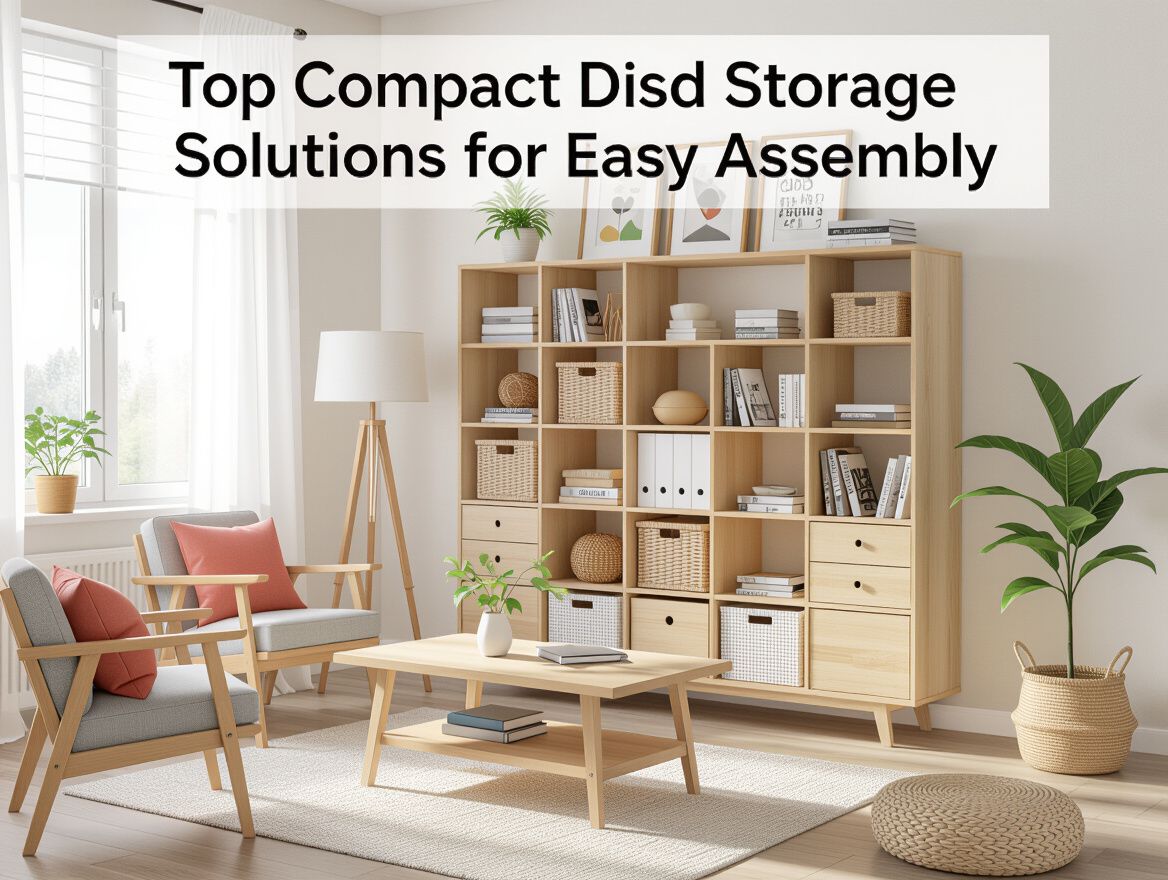
Top Compact Disc Storage Solutions for Easy Assembly
Understanding Compact Disc Storage Solutions
Compact disc storage solutions are designed to provide efficient organization and storage for your CD collection, particularly in limited spaces. As digital media consumption increases, many consumers still value physical media, making it essential to find storage options that not only preserve your discs but also fit seamlessly into your living environment.
Effective organization of compact discs helps prevent damage, loss, and clutter. With easy assembly options, these storage solutions allow you to set up your storage quickly and without hassle, saving you time and effort. Here are some key considerations when evaluating compact disc storage solutions:
- Space Efficiency: Look for designs that maximize vertical space or can be tucked into corners, ensuring that you make the most of your available area.
- Ease of Assembly: Favor solutions that require minimal tools or complex setups. Quick assembly can be a significant time-saver, especially for those who may not be handy.
- Capacity: Determine how many discs you need to store and choose a solution that can accommodate your collection now and in the future, allowing for potential growth.
- Accessibility: Consider how often you access your CDs. Solutions that offer easy retrieval can enhance your experience, especially if you frequently listen to your collection.
- Aesthetic Appeal: Choose storage that complements your home décor, as this can enhance the overall look of your space while serving a practical purpose.
By understanding these factors, you can select the most suitable compact disc storage solution that meets your specific needs and fits comfortably within your available space.
Key Buying Criteria for Compact Disc Storage
When selecting compact disc storage solutions, it's essential to consider several factors that ensure you choose a product that meets your needs while fitting seamlessly into your available space. Here are the key criteria to evaluate:
-
Size and Capacity Requirements:
- Assess how many discs you need to store and ensure the storage solution can accommodate that quantity.
- Consider the dimensions of the storage unit; it should fit well in your intended space without overwhelming it.
-
Material and Durability Considerations:
- Look for materials that provide durability, such as sturdy plastics or wood, which can withstand wear and tear over time.
- Evaluate whether the material is resistant to warping or damage from environmental factors like humidity or temperature changes.
-
Ease of Assembly and Installation:
- Choose storage solutions that come with clear instructions and require minimal tools for assembly.
- Consider whether the design allows for straightforward installation, especially if you prefer a hassle-free setup process.
By keeping these criteria in mind, you can make an informed decision that ensures your compact disc storage solution meets your practical needs while fitting into your living space effectively.
Assessing Trade-offs and Limitations
When considering compact disc storage solutions, it's essential to weigh the trade-offs and limitations that come with various options. Understanding these factors can help you make an informed decision that aligns with your specific needs and space constraints.
-
Capacity vs. Space Efficiency: Many storage solutions offer a high capacity for discs but may require more floor space. Conversely, those designed for compact spaces might limit the number of discs you can store. Evaluate how many discs you need to store against the available space in your home.
-
Common Failure Points: Storage systems can vary in durability and stability. Some may be prone to tipping over or may not securely hold discs, especially if they are frequently accessed. Look for designs that ensure stability and easy access without compromising the safety of your collection.
-
Fit Limits Based on User Needs: Consider your specific requirements when assessing fit limits. For example, a wall-mounted solution might save floor space but may not suit those who prefer easy access to their collection. Similarly, some compact storage options may not accommodate larger box sets or special editions.
By analyzing these trade-offs, you can better select a compact disc storage solution that not only fits your space but also meets your organizational needs while minimizing the risk of damage to your collection.
Comparing Popular Compact Disc Storage Solutions
When it comes to organizing your compact discs, choosing the right storage solution can significantly impact both accessibility and aesthetics. Here’s a comparison of various options available, highlighting their pros and cons, as well as ideal use cases.
1. Disc Racks
Pros:
- Easy to assemble and usually lightweight.
- Allows for quick access to discs.
- Often designed to be visually appealing.
Cons:
- Limited capacity, may require multiple units for larger collections.
- May not protect discs from dust or scratches as well as enclosed options.
Ideal Use Cases:
- Best for smaller collections or for those who prefer displaying their discs prominently.
2. CD Cases
Pros:
- Compact and portable, ideal for traveling.
- Protects discs from scratches and environmental damage.
- Usually comes in various sizes, from small to large.
Cons:
- Can be bulkier than other options when storing larger quantities.
- Requires more effort to access specific discs compared to racks.
Ideal Use Cases:
- Perfect for collectors who often transport discs or need to protect them from damage.
3. Shelving Units
Pros:
- Versatile and can hold a large number of discs.
- Can be customized to fit various spaces and aesthetics.
- Often includes additional storage for other media items.
Cons:
- May require assembly, which can be time-consuming.
- Takes up more space compared to other compact solutions.
Ideal Use Cases:
- Suitable for extensive collections or for those who want a multi-functional storage solution that can also hold books or other items.
4. Binder Storage
Pros:
- Highly portable and space-efficient.
- Keeps discs organized and protected within sleeves.
- Easy to flip through, similar to a book.
Cons:
- Limited visibility of disc art and labels.
- May require additional investment in sleeves for optimal protection.
Ideal Use Cases:
- Great for those who prioritize organization and portability over display.
Conclusion
Each storage solution offers distinct advantages and trade-offs. Consider your specific needs—such as the size of your collection, the importance of protection, and the available space in your home—when selecting the best compact disc storage solution for your situation.
Risks and Considerations
When selecting compact disc storage solutions, it’s essential to be aware of potential risks and considerations that can impact your satisfaction with the purchase. Understanding these factors can help you make an informed decision and avoid common pitfalls.
-
Quality and Assembly Issues: Many storage solutions may appear easy to assemble, but poor construction can lead to instability or damage over time. Check user reviews for insights on assembly experiences and overall durability to ensure you are investing in a reliable product.
-
Verifying Product Specifications: Not all products will meet the specifications advertised. Before purchasing, confirm details such as the dimensions, material quality, and actual storage capacity. This step is crucial for ensuring that the solution will fit in your designated space and meet your storage needs.
-
Storage Capacity Overestimation: It's common for buyers to overestimate how many discs a storage solution can hold. Manufacturers may provide ideal conditions that don't account for additional factors like protective cases or varying disc sizes. Assess your collection realistically and consider the actual storage capacity to avoid disappointment.
By keeping these risks and considerations in mind, you can navigate the options for compact disc storage solutions more effectively, ensuring that you choose a product that fits your specific needs and space constraints.
Frequently Asked Questions About Compact Disc Storage
When considering compact disc storage solutions, buyers often have specific questions that can influence their purchasing decisions. Here are some common inquiries and helpful insights to guide you:
What are the best materials for durability?
Durability is essential for protecting your compact discs. Look for storage solutions made from sturdy materials such as:
- Wood: Offers a classic look and robust construction, ideal for long-term storage.
- Metal: Provides excellent durability and can withstand wear and tear, making it a good option for frequently accessed collections.
- Plastic: Lightweight and often more affordable, but ensure it is high-quality to prevent cracking or warping over time.
How do I choose the right size for my collection?
Selecting the appropriate size for your compact disc storage depends on several factors:
- Current Collection Size: Assess how many discs you currently own to determine the minimum capacity required.
- Future Growth: Consider potential future purchases. Opt for a solution that allows for additional discs without needing to replace your storage.
- Available Space: Measure the area where you plan to place the storage. Ensure that the dimensions of the storage solution fit comfortably within your designated space.
Can I use these solutions for other media types?
Many compact disc storage solutions are versatile and can accommodate various media types. Here’s how:
- DVDs and Blu-rays: Most CD storage options can also hold DVDs and Blu-rays, provided they have the appropriate dimensions.
- Video Games: Some solutions are designed to fit video game cases, allowing you to store all your media in one place.
- Digital Media: Consider solutions that include additional compartments for digital media, such as USB drives or portable hard drives.
By addressing these frequently asked questions, you can make a more informed decision when selecting a compact disc storage solution that best fits your needs and space constraints.
Making the Right Choice for Your Storage Needs
When selecting a compact disc storage solution, it's essential to align your choice with your specific needs and the constraints of your living space. Each storage option presents unique advantages and potential drawbacks, so thoughtful consideration is key.
-
Assess Your Space: Measure the area where you plan to place the storage. Ensure that the dimensions of the storage solution fit well within your available space and that it won’t obstruct pathways or other furniture.
-
Consider Your Collection Size: Think about the current size of your CD collection and any future growth. Opt for a solution that can accommodate your needs without forcing you to upgrade too soon.
-
Evaluate Ease of Access: Reflect on how often you will access your CDs. Solutions that allow for easy browsing can enhance your experience, especially if you enjoy frequently switching out your music.
-
Think About Assembly: If you prefer a hassle-free setup, prioritize products that are designed for easy assembly. This will save you time and frustration, especially if DIY projects aren't your forte.
-
Aesthetic Integration: Choose a design that fits with your home’s décor. A visually appealing storage solution can enhance the ambiance of your space while serving its functional purpose.
By carefully weighing these factors, you can make an informed decision that not only meets your storage needs but also integrates seamlessly into your living environment.