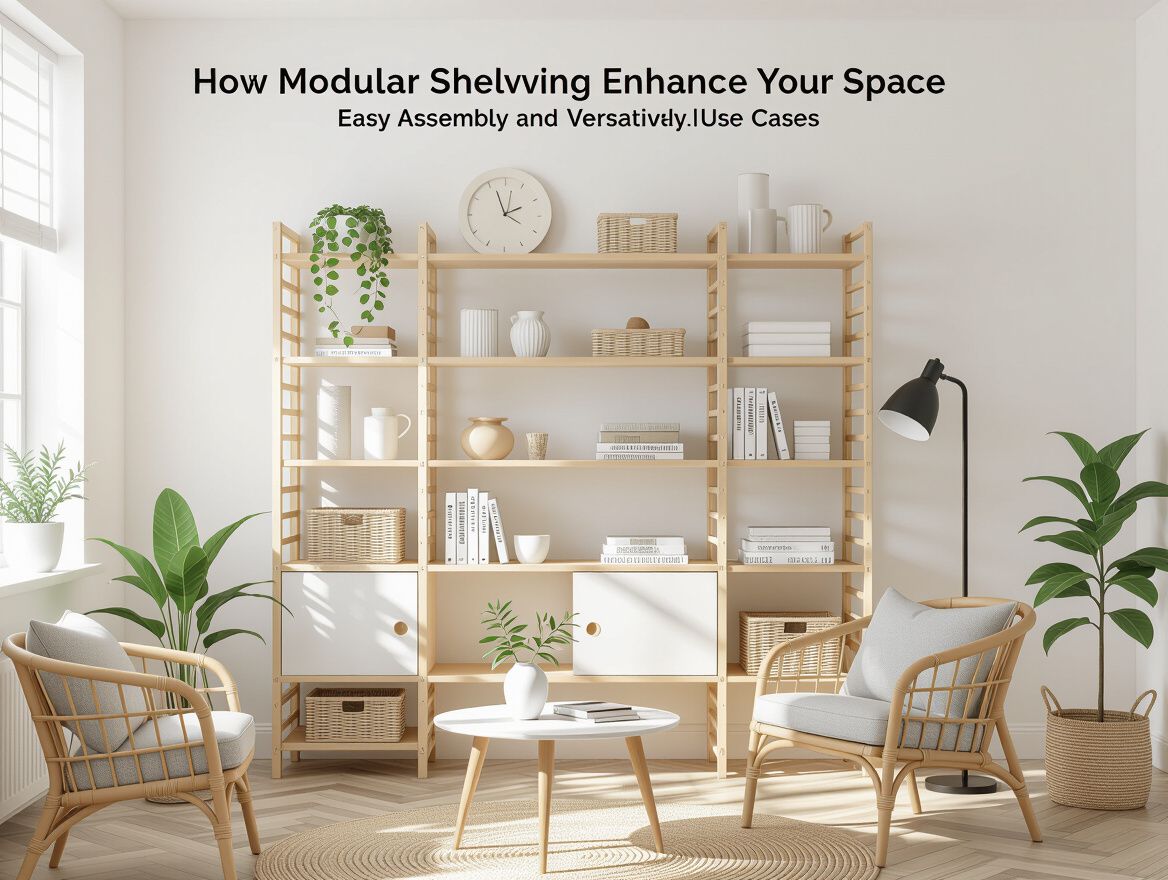
How Modular Shelving Units Enhance Your Space: Easy Assembly and Versatile Use Cases
Understanding Modular Shelving Units
Modular shelving units are versatile storage solutions designed to adapt to various spaces and needs. These units consist of interchangeable components that can be configured in multiple ways, making them ideal for homeowners and renters looking for flexible organization options. Their increasing popularity stems from their ability to provide tailored storage solutions without the need for permanent fixtures.
Benefits of Modularity and Versatility
- Customizable Designs: Modular shelving allows you to create a layout that fits your specific space, whether it’s a small apartment or a larger home.
- Easy Assembly: These units are often designed for straightforward assembly, enabling quick setup without the need for professional help.
- Scalability: You can start with a basic configuration and expand it over time as your storage needs change.
Common Use Cases
- Living Rooms: Perfect for displaying books, decor, and electronics in a stylish manner.
- Home Offices: Provides efficient storage for files, supplies, and equipment while keeping the workspace organized.
- Kitchens: Great for optimizing storage for cookware, pantry items, and small appliances.
By understanding the adaptability and easy assembly of modular shelving units, you can make informed decisions that best suit your storage requirements and enhance your living or working environment.
Key Criteria for Choosing Modular Shelving Units
When selecting modular shelving units, it’s essential to evaluate several key factors to ensure you meet your storage needs effectively. Here’s a checklist to guide your decision-making process:
-
Material Options:
- Wood: Offers a classic look and durability, but can be heavier and more expensive.
- Metal: Typically lightweight and strong, ideal for modern aesthetics, but may be prone to rust if not treated.
- Plastic: Lightweight and often more affordable, but may lack the sturdiness of wood or metal.
-
Size and Space Considerations:
- Measure your available space to ensure the unit fits without overwhelming the area.
- Consider the height, width, and depth of the shelving to maximize vertical storage without compromising floor space.
-
Weight Capacity and Durability:
- Check the weight limits of the shelving units to ensure they can support your intended items.
- Look for materials and construction methods that promise longevity, especially if you plan to store heavier items.
-
Assembly Ease and Required Tools:
- Assess whether the unit requires special tools for assembly; many modular units are designed for straightforward assembly with minimal tools.
- Look for options with clear instructions and fewer components for a hassle-free setup.
-
Design Aesthetics and Customization:
- Choose a style that complements your existing decor, whether that’s contemporary, rustic, or industrial.
- Consider options that allow for customization, such as adjustable shelves or interchangeable components, to adapt to your changing storage needs.
By evaluating these criteria, you can find modular shelving units that not only fit your space but also enhance its functionality and style.
Versatile Use Cases for Modular Shelving Units
Modular shelving units are incredibly adaptable, making them suitable for a variety of settings and storage needs. Their design allows homeowners and renters to customize their space efficiently, whether in a living room, home office, kids' room, kitchen, or even in retail environments. Here’s a breakdown of how these units can enhance different areas of your home or workspace:
Living Room Storage Solutions
- Display and Organize: Use modular shelving to create a stylish display for books, art, and collectibles while keeping the space organized.
- Flexible Layouts: Easily reconfigure shelves to accommodate different room layouts or furniture arrangements, making it adaptable as your needs change.
Home Office Organization
- Efficient Use of Space: Modular shelving can maximize vertical space, providing storage for office supplies, documents, and tech equipment without cluttering your desk.
- Customizable Configurations: Choose shelving units that can be adjusted or expanded to fit your specific workflow, ensuring everything is within easy reach.
Kids' Rooms and Play Areas
- Fun and Functional: Create engaging storage solutions for toys and books that can grow with your child. Shelves can be adjusted as they age, accommodating changing interests.
- Encourage Independence: Low shelving units can help children access their belongings easily, promoting organization and responsibility.
Kitchen and Pantry Use
- Maximize Storage Potential: Modular shelving can fit into various kitchen layouts, providing space for dishes, pantry items, or small appliances.
- Easy Accessibility: Adjustable shelves allow you to rearrange items based on usage frequency, ensuring that essentials are always within reach.
Retail and Commercial Applications
- Dynamic Displays: Retailers can benefit from modular shelving by creating flexible displays that can be rearranged for seasonal promotions or product launches.
- Space Optimization: Businesses can utilize vertical space effectively, allowing for maximum product visibility while maintaining a clean and organized appearance.
Conclusion
When considering modular shelving units, evaluate the specific needs of each space. Keep in mind the trade-offs such as the potential for limited weight capacity or the need for additional brackets for heavier items. By understanding these versatile use cases, you can make a more informed decision that enhances your space effectively.
Trade-offs and Limitations of Modular Shelving Units
While modular shelving units offer adaptability and ease of assembly, there are important trade-offs and limitations to consider before making a purchase. Understanding these factors can help you make a more informed decision tailored to your storage needs.
-
Stability Concerns: Some modular designs may not provide the same level of stability as traditional shelving. This can be a significant issue if the unit is loaded with heavy items or if it is placed in high-traffic areas where accidental bumps may occur.
-
Limited Weight Capacity: Many modular shelving units have specific weight limits that can restrict what you can store. If you plan to use the unit for heavier items, ensure that the model you choose is rated to handle the load without compromising safety.
-
Aesthetic Limitations: The materials used in modular shelving can vary widely. While some options may offer a sleek, modern look, others may not fit well with certain decor styles. Consider how the unit's appearance aligns with your overall interior design to avoid visual dissonance.
-
Assembly Complexity: Although many modular shelving units are designed for easy assembly, some models may still require more time and effort than anticipated. Be prepared to follow detailed instructions, and consider whether you have the necessary tools and skills to complete the assembly.
By weighing these trade-offs against your specific needs, you can better determine whether modular shelving units will enhance your space without introducing potential drawbacks.
Modular Shelving Units vs. Traditional Shelving Solutions
When considering storage options, modular shelving units offer distinct advantages over traditional shelving solutions. Understanding the differences can help homeowners and renters make informed choices that align with their specific needs.
Flexibility and Adaptability
- Modular Design: Unlike traditional shelving, modular units can be rearranged and expanded as needed. This adaptability is particularly beneficial for those who frequently change their living arrangements or storage requirements.
- Space Optimization: Modular shelving can fit various spaces, including corners and awkward nooks, allowing for more efficient use of available areas.
Cost Considerations
- Initial Investment: While modular shelving units may have a higher upfront cost than basic traditional shelves, their versatility can lead to long-term savings by reducing the need for additional purchases as storage needs evolve.
- Potential for DIY: Many modular units are designed for easy assembly, which can save on installation costs compared to traditional built-in shelving that often requires professional help.
Assembly and Installation Ease
- User-Friendly Setup: Modular shelving units typically come with straightforward instructions and require minimal tools for assembly, making them accessible for users without handyman skills.
- Quick Reconfiguration: If your storage needs change, modular units can be disassembled and reconfigured easily, unlike traditional shelving that often requires significant effort to modify.
Long-Term Usability and Reconfiguration Options
- Sustainability: Modular shelving can adapt to changing styles or needs, reducing waste associated with replacing traditional furniture. This longevity supports a more sustainable living approach.
- Future-Proofing: As lifestyle changes occur—such as moving to a new home or changing family dynamics—modular units can adjust to fit new environments and requirements, offering greater longevity than static traditional shelving.
By weighing these factors, homeowners and renters can determine whether modular shelving units are the right choice for their storage needs, balancing flexibility, cost, and ease of use against the reliability of traditional options.
Frequently Asked Questions About Modular Shelving Units
Understanding modular shelving units can help you choose the right solution for your space. Here are answers to some common questions that can guide your decision-making process.
What are the best materials for modular shelving?
When selecting modular shelving units, consider the following materials:
- Wood: Offers durability and a classic aesthetic. Look for solid wood or high-quality plywood for longevity.
- Metal: Provides a modern look and strength, ideal for heavy items. Steel or aluminum options are common.
- Plastic: Lightweight and often more affordable, but may not support heavier loads effectively. Best for lighter items or temporary setups.
How do I determine the right size for my space?
To find the perfect size for your modular shelving units:
- Measure Your Space: Take accurate measurements of the area where you plan to place the unit, including height, width, and depth.
- Consider Functionality: Think about what you will store or display. Ensure the shelving unit can accommodate your items without overcrowding.
- Plan for Accessibility: Leave enough space around the unit for easy access and movement, especially in tight areas.
Can modular shelving units be painted or modified?
Yes, many modular shelving units can be customized:
- Painting: If the material allows, you can paint or stain wooden shelves for a fresh look. Ensure proper surface preparation for the best results.
- Modifications: Some units come with interchangeable components, allowing you to add or remove shelves as needed. Check the manufacturer's guidelines to ensure modifications won't affect stability.
By addressing these questions, you can make a more informed choice regarding your modular shelving units, ensuring they meet your specific needs while enhancing your space effectively.
Making the Right Choice for Your Space
Choosing modular shelving units can significantly enhance your storage capabilities, but it’s essential to consider various factors before making a decision. These units offer flexibility and adaptability, making them suitable for diverse environments, but potential buyers should evaluate their specific needs and preferences.
Key Considerations
- Space Requirements: Assess the dimensions of the area where the shelving unit will be placed. Modular options can be tailored to fit awkward spaces, such as corners or narrow hallways.
- Load Capacity: Different modular shelving units have varying weight limits. Ensure the unit you choose can support the items you plan to store, whether they are books, kitchenware, or decorative items.
- Material Choices: Consider the materials used in the shelving units. Options range from wood to metal, each offering distinct aesthetics and durability levels. Wooden units may provide a warm, classic feel, while metal options can offer a modern, industrial look.
Evaluating Your Needs
- Functionality: Identify what you need the shelving for. Are you looking for a display unit, storage for everyday items, or a combination of both?
- Aesthetic Integration: Ensure the design complements your existing decor. Modular shelving units come in various styles and finishes, so finding one that fits your aesthetic is crucial.
- Future Scalability: Think about how your storage needs might evolve. Modular units can often be expanded or reconfigured, which can be a valuable feature for growing families or changing lifestyles.
In summary, modular shelving units present a viable solution for enhancing your space with efficient storage options. By carefully considering your unique requirements and preferences, you can confidently choose a modular unit that not only meets your functional needs but also elevates your home’s overall design.