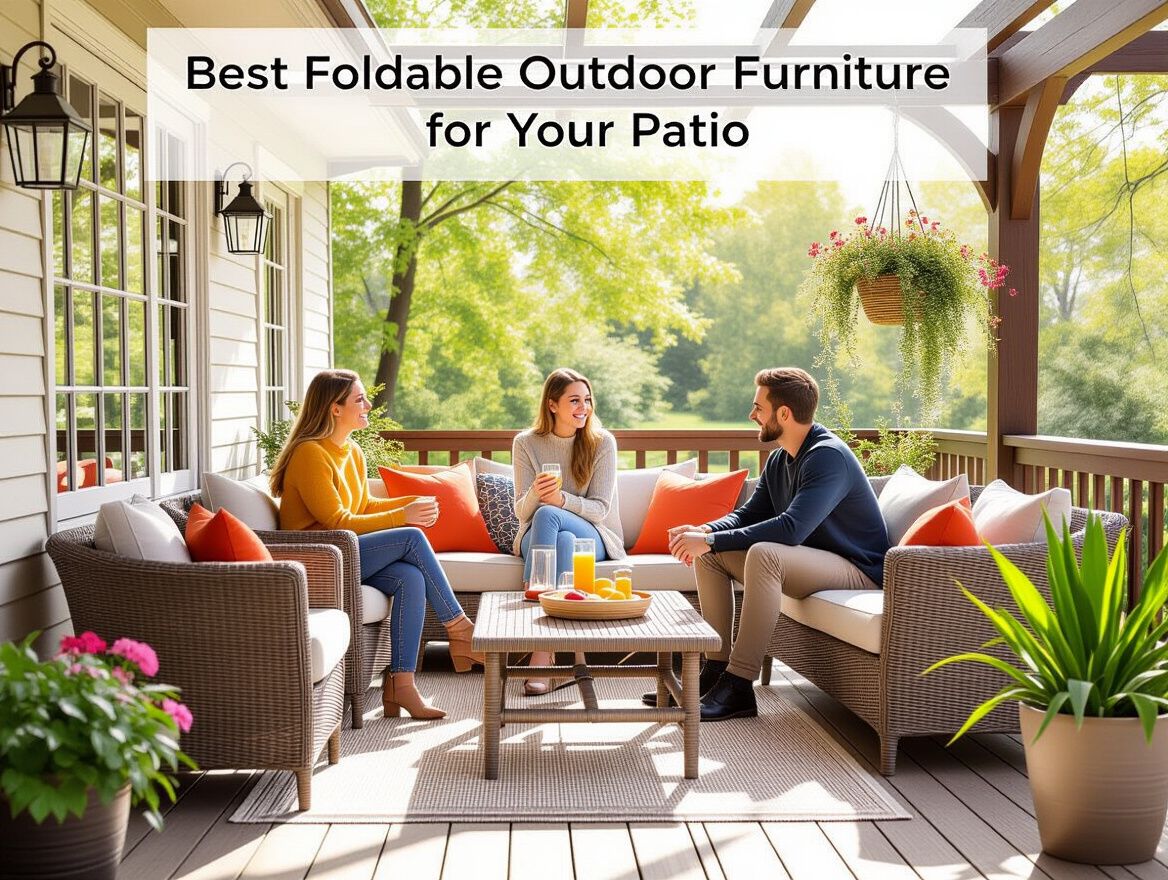
Best Foldable Outdoor Furniture for Your Patio
Understanding Foldable Outdoor Furniture
Foldable outdoor furniture refers to versatile pieces designed to be easily collapsed or stored away when not in use. This type of furniture is particularly beneficial for homeowners and outdoor enthusiasts who want to maximize their patio space without compromising on comfort or style.
Importance of Space-Saving Solutions
In many outdoor settings, space can be limited. Foldable furniture provides a practical solution by offering:
- Flexibility: Easily adjust your layout based on the occasion, whether it's a small family gathering or a larger event.
- Storage Efficiency: When not in use, foldable items can be compactly stored, freeing up valuable patio space.
- Ease of Transport: Many foldable pieces are lightweight, making them ideal for trips to parks, beaches, or camping.
Typical Use Cases
Foldable outdoor furniture is suitable for various scenarios, including:
- Patios and Decks: Ideal for small patios where maximizing space is crucial.
- Gardens: Provides additional seating without permanently occupying garden space.
- Balconies: Perfect for urban living where outdoor areas are limited in size.
- Events: Great for temporary setups during gatherings, allowing for quick setup and takedown.
By understanding the concept and benefits of foldable outdoor furniture, you can better evaluate how these solutions might enhance your outdoor experience while addressing specific spatial challenges.
Key Considerations When Choosing Foldable Outdoor Furniture
Selecting the right foldable outdoor furniture can significantly enhance your patio experience, especially for homeowners and outdoor enthusiasts seeking space-saving solutions. Here are essential factors to evaluate before making a purchase:
-
Material Durability and Weather Resistance: Look for materials that withstand outdoor conditions. Aluminum, teak, and high-density polyethylene (HDPE) are popular choices due to their resistance to rust, fading, and moisture. Ensure the furniture is designed for outdoor use to avoid deterioration.
-
Weight Capacity and Stability: Check the weight limits specified by manufacturers. A sturdy design is crucial, especially for tables and chairs that will frequently be used. Stability is also essential; furniture should not wobble or tip over easily, which could lead to accidents.
-
Ease of Folding and Storage: Consider how simple it is to fold and unfold the furniture. Look for mechanisms that allow for quick setup and takedown. Additionally, assess how compact the furniture becomes when stored. This is particularly important for small patios or balconies where space is limited.
-
Aesthetic Appeal and Design Options: The visual aspect of your outdoor furniture contributes to the overall ambiance of your patio. Choose styles and colors that complement your outdoor decor. Versatile designs can also enhance usability, allowing you to adapt the space for different occasions.
By carefully considering these factors, you can select foldable outdoor furniture that meets your needs while enhancing your patio experience.
Trade-offs and Limitations of Foldable Outdoor Furniture
While foldable outdoor furniture offers numerous benefits, it is essential to consider the trade-offs and limitations that come with these versatile pieces. Understanding these factors can help you make a more informed decision tailored to your specific needs.
Durability Compared to Non-Foldable Options
Foldable outdoor furniture may not always match the durability of traditional, non-foldable counterparts. Key points to consider include:
- Material Quality: Often, foldable pieces are made from lighter materials to enhance portability, which can sometimes lead to decreased longevity.
- Structural Integrity: The mechanisms that allow for folding may introduce points of weakness that non-foldable furniture does not have, potentially affecting stability over time.
Comfort Versus Compactness
When selecting foldable outdoor furniture, comfort may be compromised for the sake of compactness. Consider the following:
- Cushioning and Support: Foldable designs may feature thinner cushions or less robust support structures to facilitate easy storage. If comfort is a priority, ensure that the design accommodates adequate seating support.
- Seating Position: Some foldable chairs may not provide the same ergonomic benefits as traditional options, potentially affecting your overall outdoor experience during extended use.
Storage Space Requirements
Although foldable furniture is designed for easy storage, it's crucial to assess the space available for storage when not in use:
- Storage Needs: Ensure you have adequate space to store the furniture without cramping your living area or other storage spaces.
- Accessibility: Consider how often you plan to use the furniture; if frequent access is necessary, a more accessible storage solution will be beneficial.
By weighing these trade-offs and limitations, you can better evaluate the suitability of foldable outdoor furniture for your patio, ensuring it meets both your functional and aesthetic needs while enhancing your outdoor experience.
Finding the Right Fit for Your Space
When selecting foldable outdoor furniture, assessing your outdoor space needs is crucial to ensure you choose items that enhance your patio experience. Here’s a guide to help you evaluate your options effectively.
Measuring Available Space
Begin by accurately measuring the area where you plan to place your furniture. Consider the following:
- Dimensions: Measure the length and width of your patio or balcony. This will help you determine the scale of furniture that fits comfortably.
- Clearance: Ensure there’s enough space for movement around the furniture. A good rule of thumb is to leave at least 24 inches of walking space.
- Height Restrictions: If your outdoor area is covered, check for any height limits that may affect your choice of furniture.
Identifying Best Furniture Types
Different outdoor settings may benefit from different types of foldable furniture. Here are some options to consider:
- Chairs and Tables: Ideal for dining or lounging, look for lightweight options that can be easily moved or stored.
- Loungers: Great for relaxation, ensure they fold flat for easy storage.
- Multi-functional Pieces: Consider furniture that serves more than one purpose, such as a bench that can double as a storage unit.
Considering Multi-Functional Furniture
For smaller areas, multi-functional furniture can maximize utility without overcrowding your space. Here are key features to seek:
- Storage Capabilities: Look for foldable items that include storage compartments for cushions or outdoor accessories.
- Convertible Designs: Some pieces can transform from a bench to a table, providing flexibility for various activities.
- Stackable Options: Stackable chairs or tables can be easily stored away when not in use, keeping your space tidy.
By taking the time to measure your space, identify suitable furniture types, and consider multi-functional solutions, you can make informed decisions when selecting foldable outdoor furniture that enhances your patio experience while accommodating your specific needs.
Risks and Caveats to Consider
When selecting foldable outdoor furniture, it's essential to be aware of potential risks and misalignments that could affect your purchase decision and overall satisfaction. Here are some critical considerations:
-
Material Quality: Misjudging the quality of materials used in foldable furniture can lead to premature wear and tear. Always check for durable, weather-resistant materials that can withstand outdoor conditions, as lower-quality options may degrade quickly or require frequent replacement.
-
Weight Capacity: Overestimating the weight capacity of foldable furniture can pose safety risks. Each piece typically has a specified weight limit, which may not be suitable for all activities. Be sure to review the manufacturer's guidelines to ensure the furniture can safely support your intended use.
-
Maintenance Needs: Neglecting the maintenance requirements can significantly impact the longevity of your foldable outdoor furniture. Some materials may require regular cleaning or protective treatments to prevent deterioration. Familiarize yourself with the care instructions to maintain functionality and aesthetics over time.
By keeping these risks in mind, you can make a more informed decision and select foldable outdoor furniture that aligns with your needs while minimizing potential issues.
Frequently Asked Questions About Foldable Outdoor Furniture
When considering foldable outdoor furniture for your patio, it's common to have questions about materials, maintenance, and versatility. Here are answers to some of the most frequently asked questions to help you make an informed decision.
What are the best materials for foldable outdoor furniture?
The choice of material can significantly impact the durability and usability of foldable outdoor furniture. Here are some popular materials:
- Aluminum: Lightweight and resistant to rust, making it ideal for outdoor use. It often features a powder-coated finish for added protection.
- Wood: Offers a classic aesthetic but requires regular maintenance to protect against weather elements. Teak and eucalyptus are popular choices due to their natural resistance to moisture.
- Plastic: Lightweight and often easy to clean, plastic furniture is typically more affordable but may not be as durable as metal or wood options.
- Fabric: Used in cushions or seating surfaces, outdoor fabrics should be weather-resistant and easy to clean to withstand outdoor conditions.
How do I maintain and care for foldable outdoor furniture?
Proper maintenance extends the life of your foldable outdoor furniture. Here are some care tips:
- Clean Regularly: Wipe down surfaces with mild soap and water to remove dirt and debris. Avoid abrasive cleaners that can damage the finish.
- Store Properly: When not in use, store furniture indoors or cover it with protective tarps to shield it from harsh weather.
- Inspect for Damage: Regularly check for signs of wear, such as rust on metal pieces or cracks in wooden surfaces, and address issues promptly to prevent further damage.
- Reapply Protective Coatings: For wooden furniture, consider reapplying sealants or stains every few years to maintain its appearance and protect against moisture.
Can foldable outdoor furniture be used indoors?
Yes, foldable outdoor furniture can often be used indoors, especially in spaces where flexibility is needed, such as:
- Small Apartments: In urban settings, foldable furniture can be used to create multifunctional spaces that adapt to various activities.
- Events: For gatherings, having additional foldable seating or tables can be beneficial without taking up permanent space.
- Home Offices: Foldable desks and chairs can provide an effective solution for temporary workspaces.
However, consider the design and material of the furniture to ensure it complements your indoor decor and meets your comfort needs.
Making Your Decision on Foldable Outdoor Furniture
Choosing the right foldable outdoor furniture can significantly enhance your patio experience, but it involves careful consideration of various factors. As you weigh your options, keep in mind the following essential criteria:
-
Space Requirements: Assess the dimensions of your outdoor area. Ensure that the furniture fits comfortably without overcrowding, especially when in its expanded form.
-
Material Durability: Look for materials that can withstand outdoor elements. Weather-resistant fabrics and rust-proof metals are ideal for longevity.
-
Intended Use: Consider how often you plan to use the furniture. If it’s for occasional gatherings, lightweight options might suffice, but for regular use, prioritize sturdiness and comfort.
-
Storage Needs: Evaluate how much storage space you have when the furniture is not in use. Items that fold flat or can stack easily will be beneficial for small patios or balconies.
-
Aesthetic Compatibility: Ensure that the style of the furniture complements your existing outdoor decor. A cohesive look enhances the overall ambiance of your space.
As you navigate these considerations, remember that your personal needs and preferences should guide your decisions. Weigh the trade-offs between portability, comfort, and durability to find the best fit for your lifestyle. By aligning your choices with your specific outdoor requirements, you can create a functional and enjoyable patio environment.
More in Foldable Furniture
View All
Complete Guide to Foldable Outdoor Furniture Sets
Compare foldable outdoor furniture set with a practical informational SEO brief, decision criteria, FAQs, and publishing checks before you commit.
Garden Furniture: Why a Foldable Table is a Must-Have
Compare garden furniture foldable table with a practical informational SEO brief, decision criteria, FAQs, and publishing checks before you commit.
Choosing Foldable Wood Furniture: Style Meets Functionality
Compare foldable wood furniture with a practical informational SEO brief, decision criteria, FAQs, and publishing checks before you commit.